No products in the cart.
What Is Feng Shui? A Beginner’s Guide To Creating Harmony At Home
Meta Description:Discover what Feng Shui means and how its ancient principles can help create a more balanced and harmonious home. Learn simple Feng Shui tips for beginners and mindful living.
Introduction
Have you ever walked into a room and immediately felt calm, comfortable, and connected?
Or have you entered a space where something simply felt unbalanced, even though everything looked perfectly fine?
The way we experience a space is influenced by many details — light, natural elements, colors, arrangement, and the relationship between objects around us.
For thousands of years, Feng Shui has explored the connection between people and their surroundings. Rooted in ancient Chinese philosophy, Feng Shui is about creating harmony between our living spaces and the natural world.
Today, many people are rediscovering Feng Shui as a mindful approach to home design — not only about where things are placed, but about creating spaces that feel peaceful, balanced, and meaningful.
In this beginner’s guide, we will explore what Feng Shui means, its core principles, and simple ways to bring more harmony into your home. If you are new to crystals, you can also explore our Crystal Guides to understand different natural stones and their meanings.
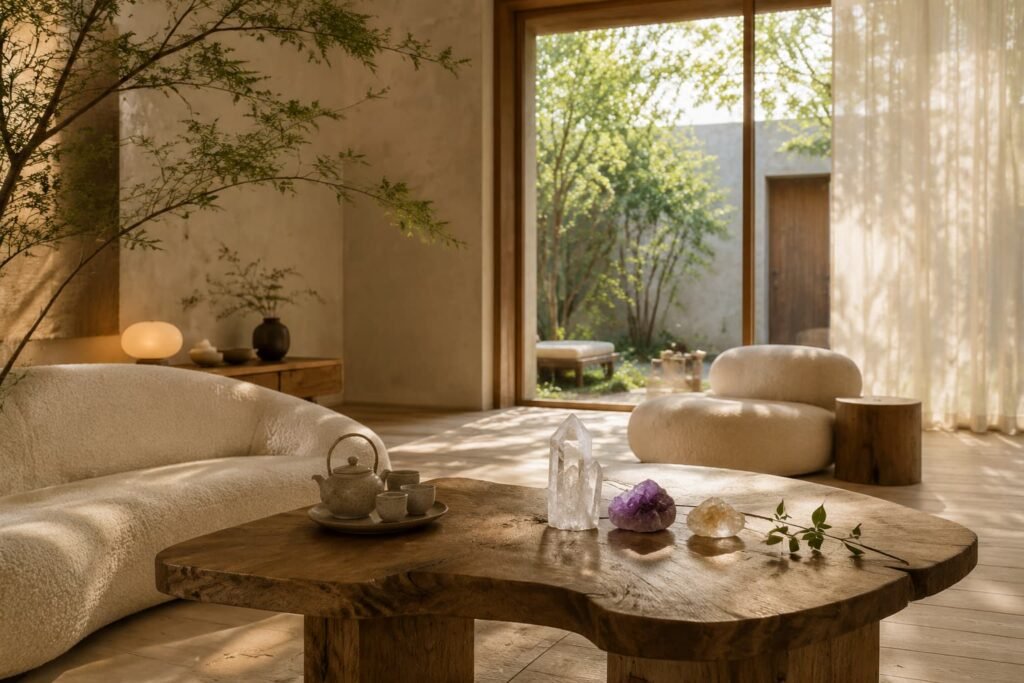
Quick Guide: Feng Shui Basics
Topic:
Feng Shui Principles
Best For:
Beginners interested in creating a harmonious home
Main Ideas:
Balance, natural elements, energy flow, connection with surroundings
Related Topics:
Crystal Placement, Home Harmony, Daoist Wisdom
1. What Does Feng Shui Mean?
The word Feng Shui comes from two Chinese characters:
Feng means wind.
Shui means water.
Together, they represent the relationship between natural forces and the environments where people live.
In traditional Chinese philosophy, wind and water symbolize movement, balance, and the continuous flow of nature.
Rather than seeing a home as just a physical structure, Feng Shui views a living space as an environment that influences how we feel, interact, and connect with the world around us.
2. The Core Principles Of Feng Shui
1. Balanc
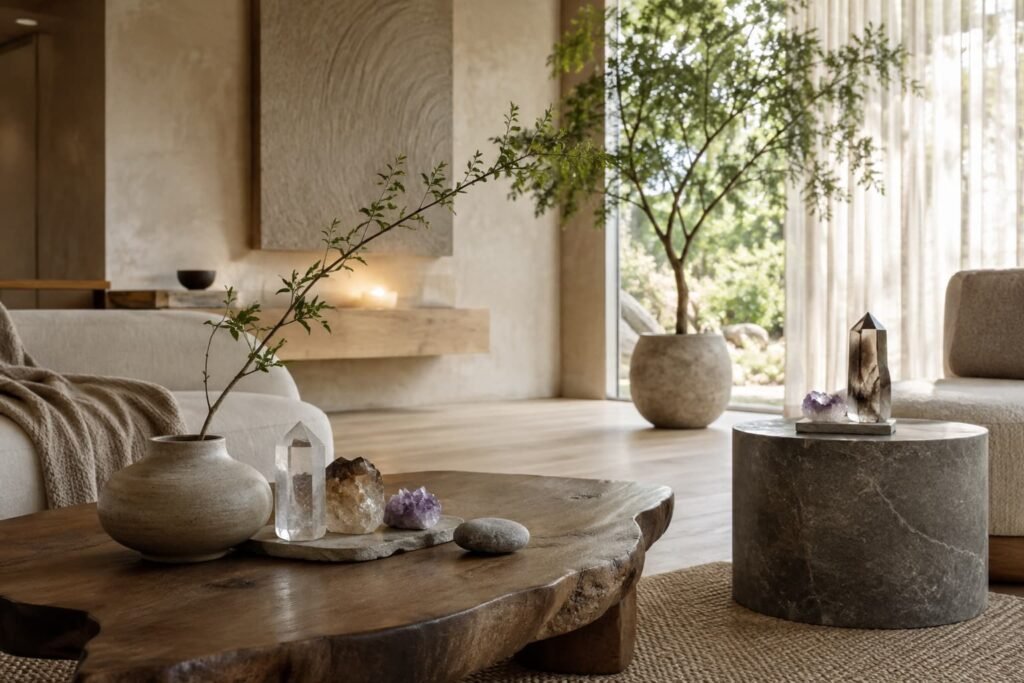
Balance is one of the most important ideas in Feng Shui.
A harmonious space often includes a thoughtful relationship between different elements:
- Light and shadow
- Soft and strong textures
- Natural and artificial materials
- Open areas and comfortable boundaries
The goal is not perfection, but creating a space that feels comfortable and balanced.
2. Energy Flow
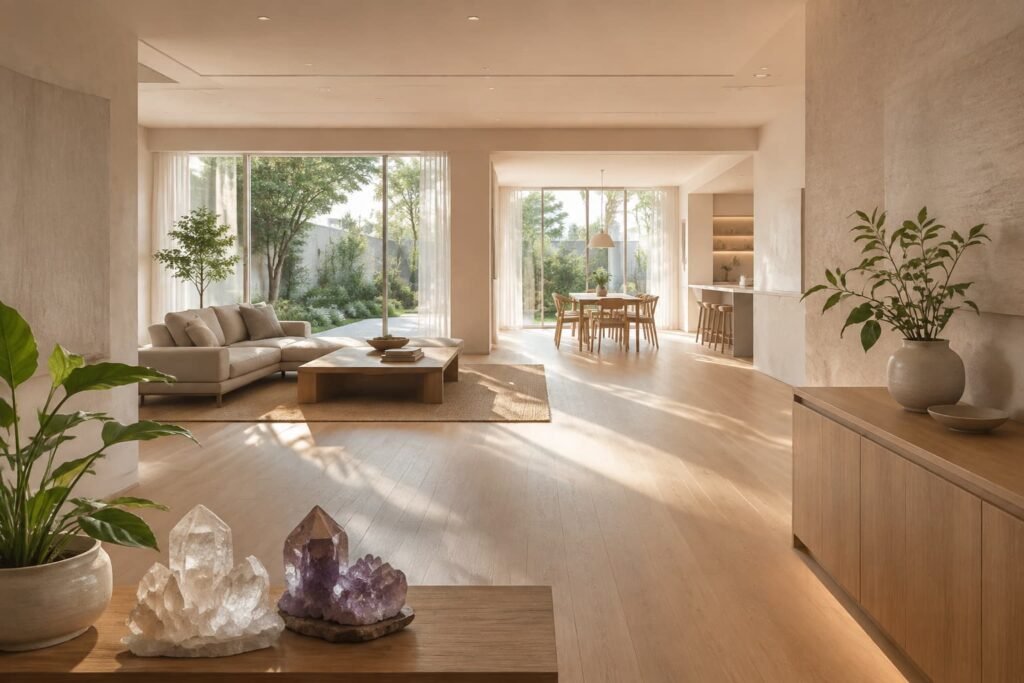
Feng Shui often considers how energy moves through a space.
Simple design choices such as reducing clutter, improving movement paths, and allowing natural light can help create a more comfortable environment.
A balanced home should feel easy to move through and pleasant to experience.
3. Connection With Nature
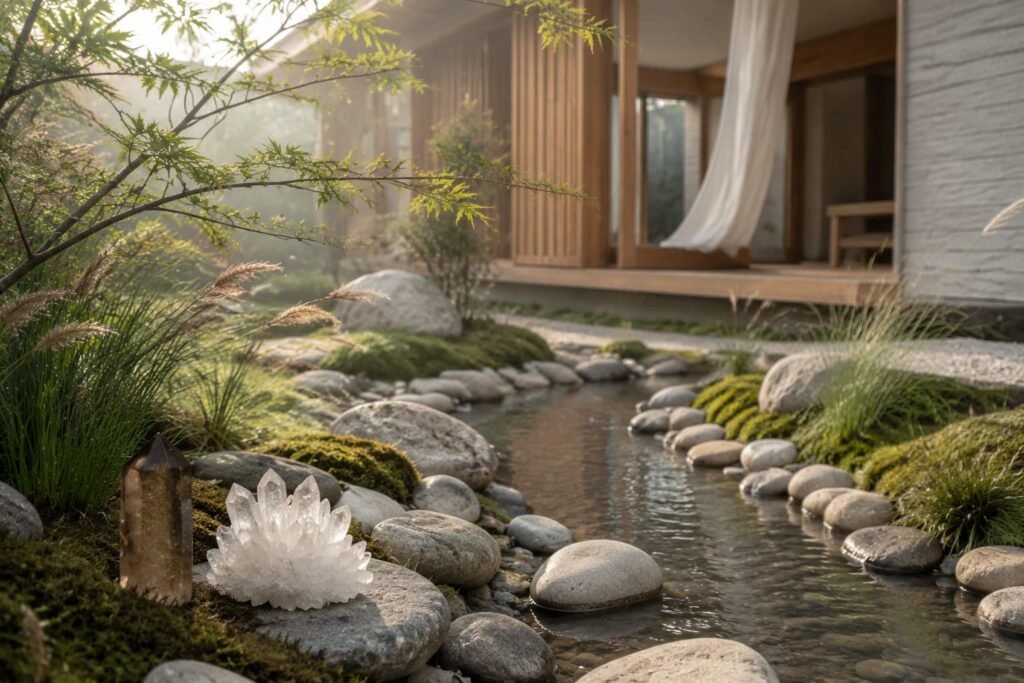
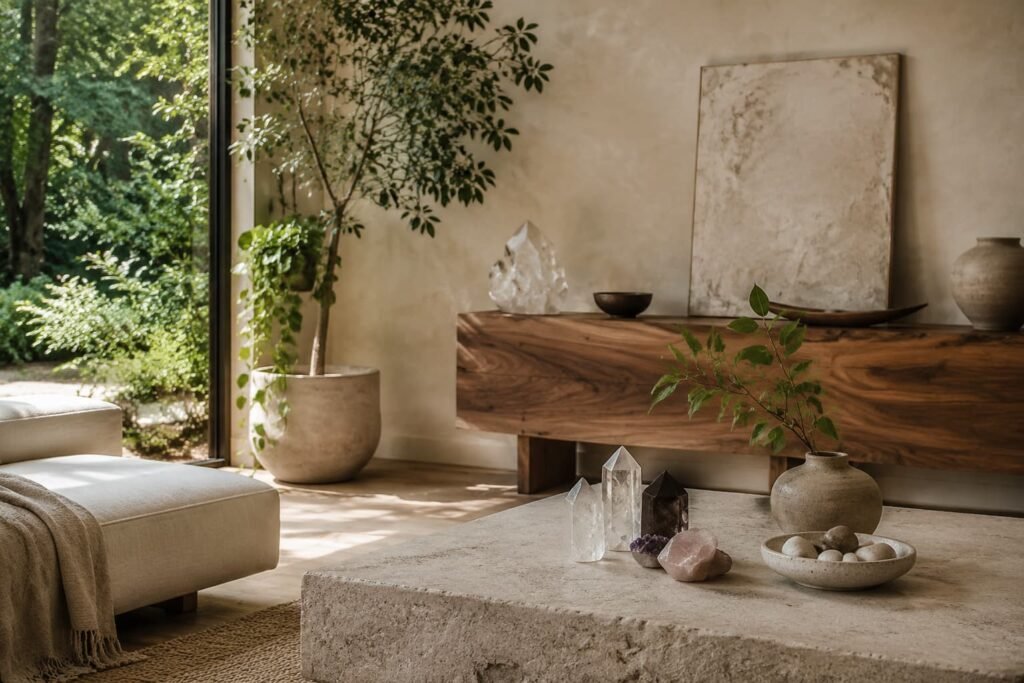
One of the foundations of Feng Shui is the connection between people and nature.
Natural elements such as:
- Plants
- Wood
- Stone
- Water
- Crystals
are often used to create a closer relationship with the natural world.
This idea reflects a traditional belief that people feel more balanced when they stay connected with nature.
3. Feng Shui And Crystals: Creating Meaningful Spaces
Crystals have been valued in many cultures for their natural beauty and symbolism.
Before placing crystals in your home, many people choose to learn proper crystal care and cleansing methods as part of their personal ritual.
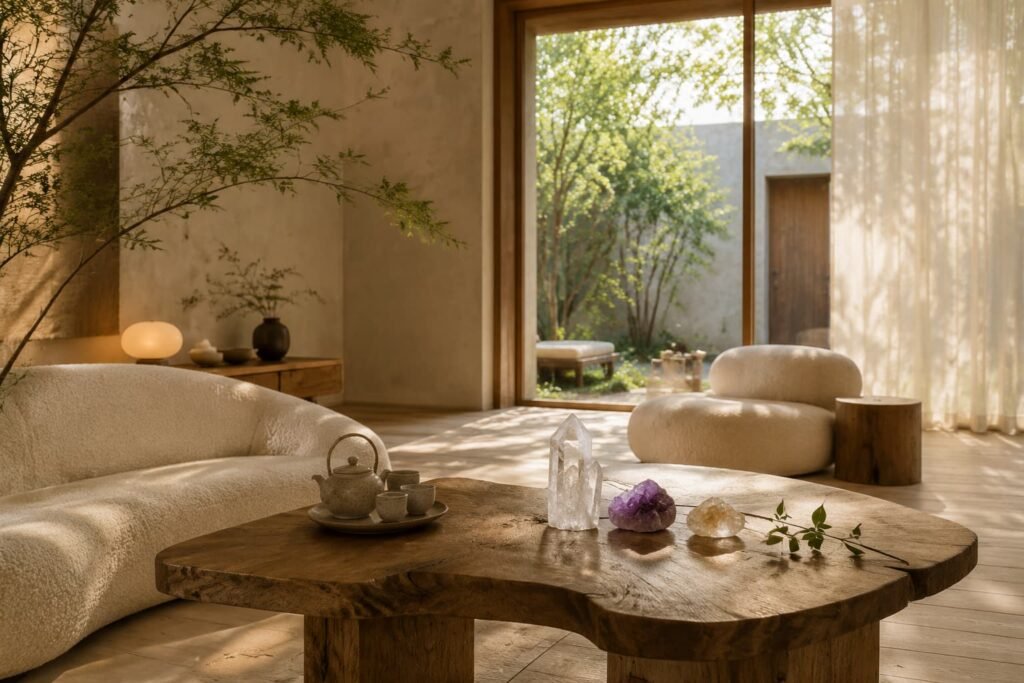
In modern Feng Shui-inspired spaces, crystals are often used as decorative elements that bring natural textures, colors, and personal meaning into a home.
For many people, choosing a crystal is not only about decoration, but also about creating a personal connection with their space.
For example:
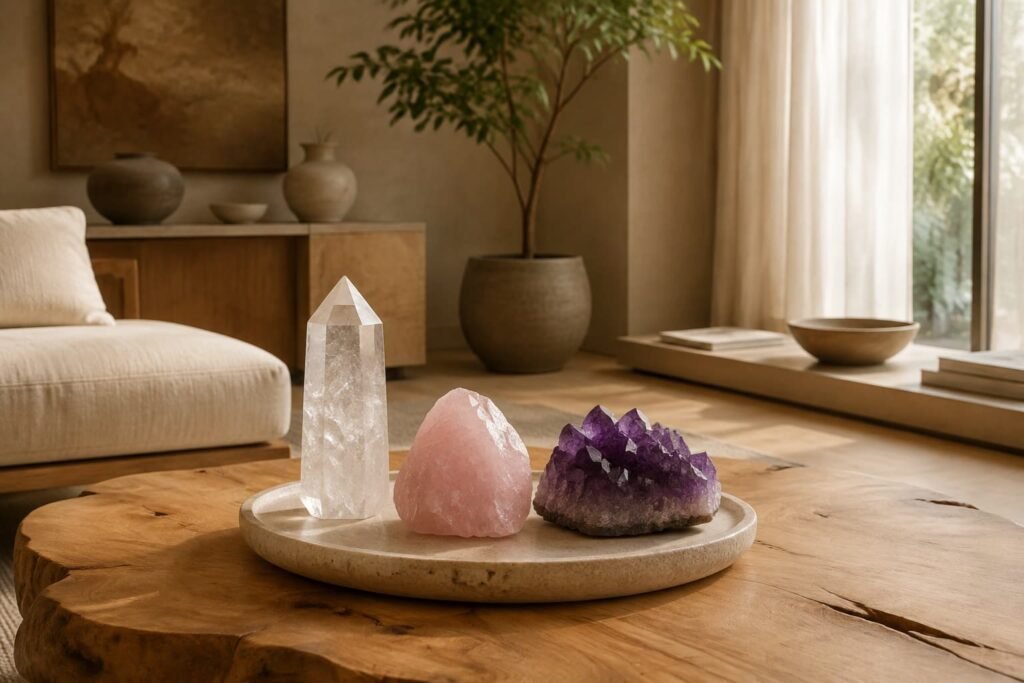
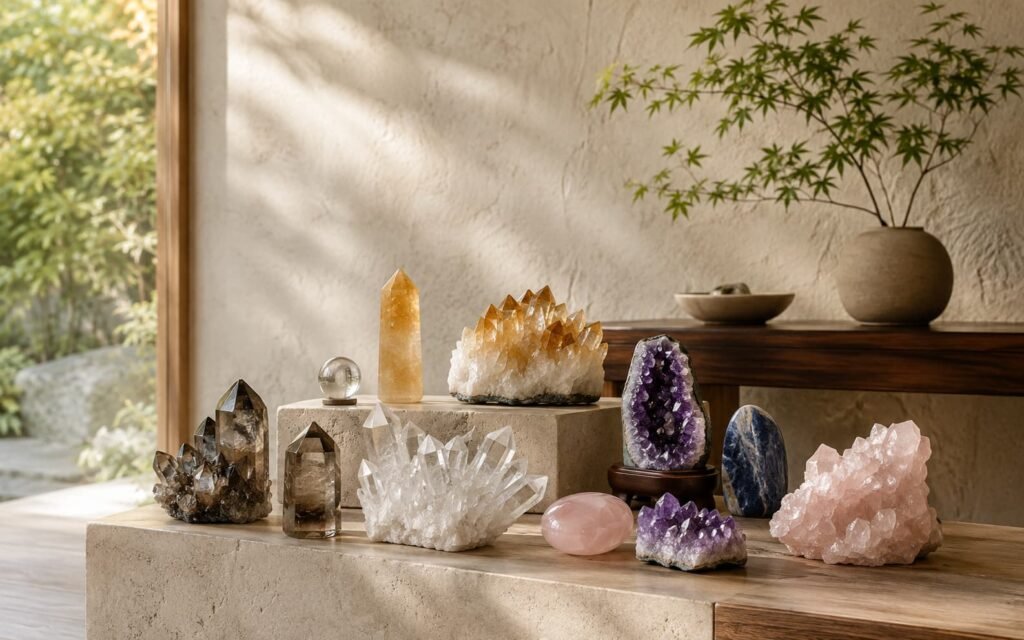
- Rose Quartz is often associated with love and harmony.
- Clear Quartz is appreciated for its clarity and simplicity.
- Amethyst is commonly chosen for meditation and peaceful spaces.
4. Simple Feng Shui Tips For Beginners
You do not need to completely redesign your home to experience the principles of Feng Shui.
Start with simple changes:
Create A Clear Entrance
The entrance is the first impression of your home. Keep it clean, welcoming, and comfortable.
Add Natural Elements
Plants, crystals, wood, and natural textures can bring warmth into a space.
Create A Restful Bedroom
A peaceful bedroom environment can help create a more relaxing atmosphere.
Keep Spaces Intentional
Choose objects that have meaning and bring joy to your daily life.
5. DaoMind Perspective: Feng Shui For Modern Living
At DaoMind, we believe ancient wisdom can inspire modern lifestyles.
Feng Shui is not only about arranging objects — it is about creating awareness of the relationship between ourselves and the spaces we live in.
Inspired by Daoist philosophy, a harmonious home begins with balance, simplicity, and a deeper connection with nature.
By creating intentional spaces, we can transform our homes into places of comfort, reflection, and meaningful living.
FAQ
What is Feng Shui in simple terms?
Feng Shui is an ancient philosophy about creating harmony between people and their surroundings.
Is Feng Shui only about furniture placement?
No. Feng Shui also considers balance, natural elements, and how a space feels.
How can beginners start using Feng Shui?
Start with simple changes such as decluttering, improving natural light, and adding meaningful natural elements.
Where should I place crystals in my home?
Crystal placement depends on your personal preference and the feeling you want to create in each space.
Conclusion
Feng Shui is ultimately about creating a deeper relationship between people, nature, and the spaces we call home.
By understanding simple Feng Shui principles, you can begin creating a living environment that feels more balanced, peaceful, and meaningful.
Explore DaoMind’s crystal collection and discover natural pieces designed to bring beauty and harmony into your space.
Tags: Crystal Placement, Daoist Wisdom, Energy Flow, Feng Shui, Feng Shui For Beginners, Feng Shui Home, Feng Shui Principles, Home Harmony, Mindful Living, Natural Elements, What Is Feng Shui
Share Post
About author

Related posts
26
8 月
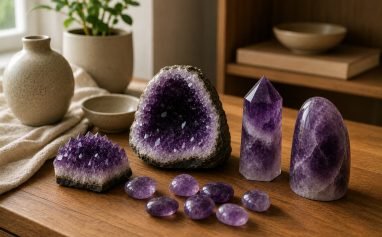
Where to Place Amethyst i... Continue reading
18
8 月
How to Balance the Five E... Continue reading
15
8 月

The Five Elements in Feng... Continue reading
02
8 月
Best Crystal Placement Ru... Continue reading
04
2 月
Feng Shui for Wealth and ... Continue reading
Add comment